Fascinating Facts About Elephant Anatomy (And Why It Matters on Your Visit to Chiang Mai)
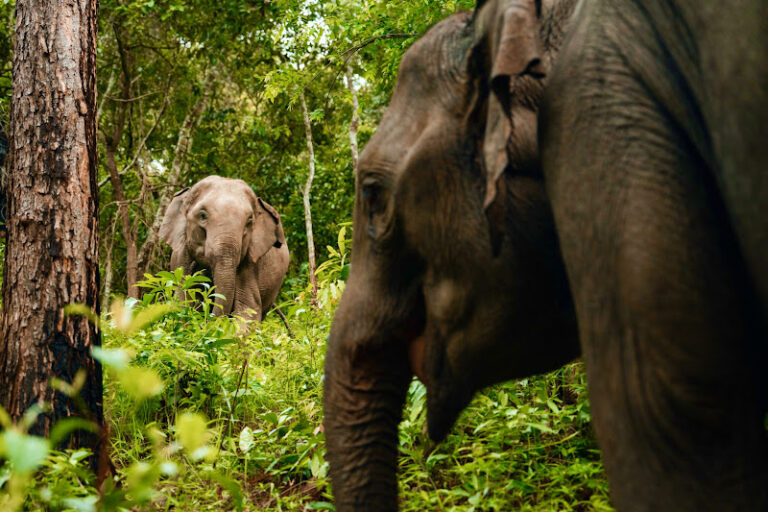
If you’re planning an elephant tour in Chiang Mai, understanding elephant anatomy can make your experience even more meaningful. These gentle giants have evolved with fascinating physical adaptations that shape how they interact with their environment, their herd, and other animals.
At Elephant Eco Trails, a Chiang Mai elephant sanctuary, we believe education is part of ethical tourism. The more you understand elephants, the more you appreciate why hands-off elephant tours are the most rewarding and magical way to experience Asian elephants.
Let’s explore some incredible facts about elephant anatomy and vision, and why ethical sanctuaries respect these natural traits.
How Elephants See the World
Elephants have surprisingly different eyesight compared to humans. While their vision isn’t their strongest sense, it plays an important role in how they navigate the jungle.
Side Vision, Not Front Vision
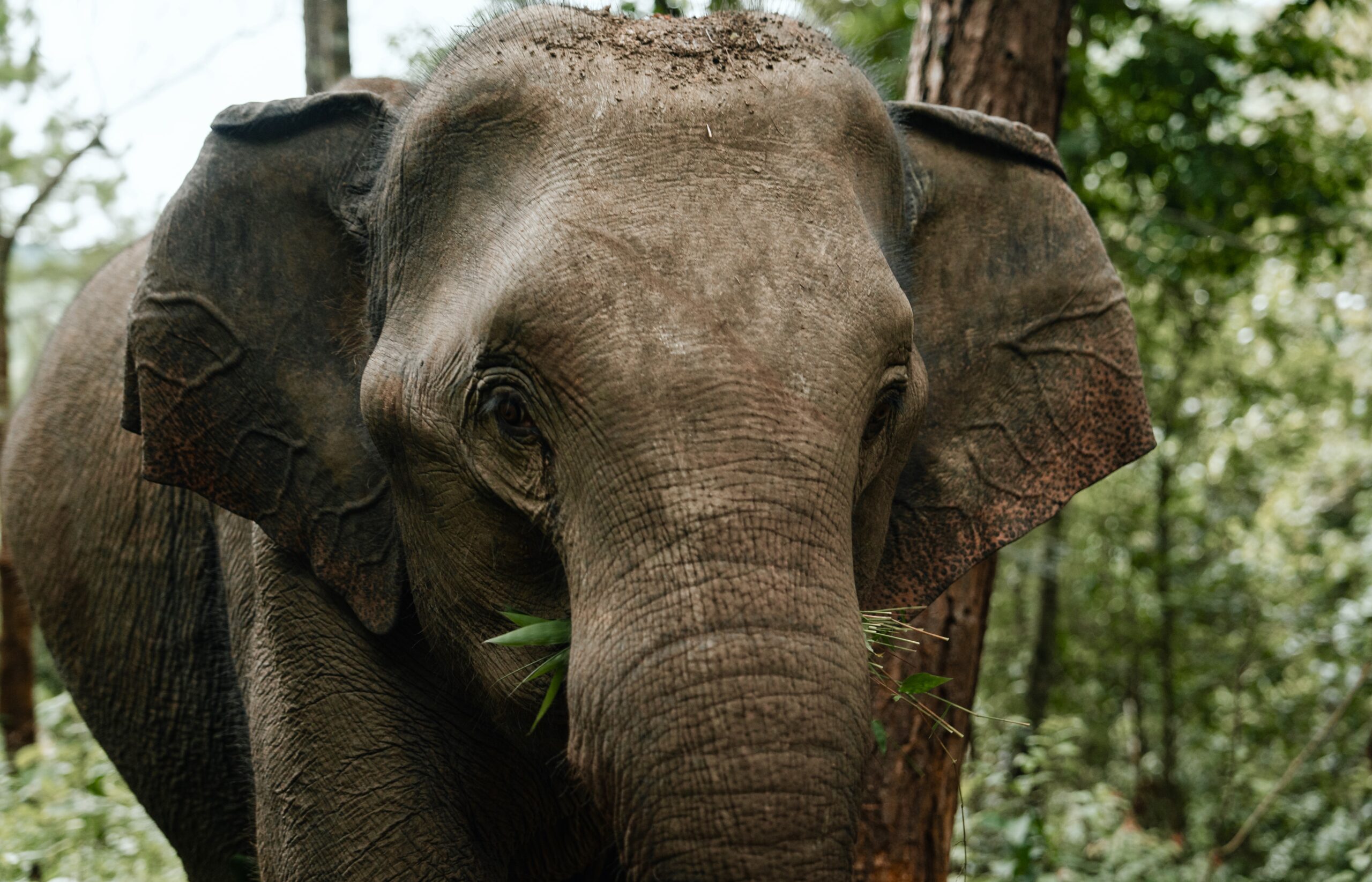
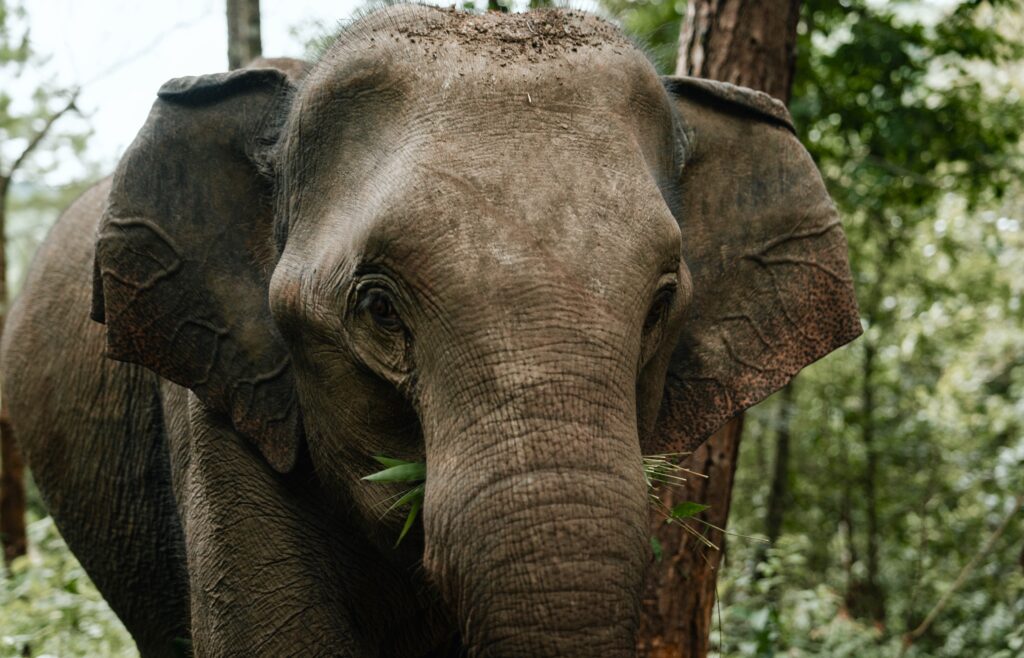
Elephants have eyes positioned on the sides of their heads. This gives them excellent side vision, allowing them to monitor their surroundings in the wild. However, this also means they have:
- A blind spot directly in front of them
- A blind spot behind them
- Limited depth perception straight ahead
This is why approaching elephants from the front can sometimes confuse or startle them.
At elephant projects like Elephant Eco Trails, maintaining a hands-off elephant tour approach ensures elephants are never forced into uncomfortable situations.
Elephants Can Only Clearly See About 10 Metres Ahead
Research suggests elephants can clearly focus on objects around 10 metres in front of them. Beyond that, their vision becomes less detailed.
Because of this limitation, elephants rely much more on:
- Smell
- Touch
- Hearing
- Ground vibrations
During a guided elephant tour in Chiang Mai, you may notice elephants constantly using their trunks to explore their surroundings. The trunk is essentially their primary sensory tool and observing these natural behaviours is one of the most fascinating things to observe, particularly when they’re flourishing in their natural environment!
Elephants Cannot See Red or Green
Like many mammals, elephants have dichromatic vision, meaning they can only see certain colour ranges.
According to research, elephants primarily see blues and yellows, and they cannot distinguish red and green, which appear as muted tones to them. This means the vibrant jungle landscapes of Northern Thailand actually look quite different to elephants than they do to us.
Night Vision
At night, elephants’ colour perception becomes even more limited. Their eyes are most sensitive to blue light, meaning in low-light conditions they mainly detect shades of blue and grey.
This is one reason elephants depend heavily on their other senses, especially hearing and smell, when navigating the jungle in the night time.
Elephant Anatomy Beyond Vision
Vision is only one small part of elephant anatomy. In fact, elephants have some of the most advanced sensory adaptations of any land animal.
The Elephant Trunk
An elephant’s trunk contains around 40,000 muscles and functions as a nose, a hand, a communication tool, a breathing tube and a water hose all in one! They use it to pick up tiny objects, smell food from far away, and greet other elephants.
Watching elephants use their trunks naturally in the jungle is one of the highlights of choosing a truly ethical elephant tour, such as Elephant Eco Trails.
Elephant Hearing
Elephants can detect infrasound, extremely low-frequency sounds that humans cannot hear. These sounds allow elephants to communicate with herd members several kilometres away, and they can even detect vibrations through the ground using their feet.
Elephant Intelligence
Elephants also have one of the largest brains of any land animal. Their advanced cognitive abilities allow them to:
- Remember migration routes
- Recognise individual elephants
- Form deep social bonds
- Show empathy and grief
At Elephant Eco Trails, the elephants you may encounter – Non Pong, Gili, Honey, Buay, Boon Jhan and Luna – now live freely in the jungle after some of the, previously suffering in exploitative tourism operations. Providing them with a natural environment helps them regain healthy behaviours and social bonds.
Ready for an Ethical Elephant Adventure?
Why Ethical Elephant Sanctuaries Matter
Understanding elephant anatomy helps explain why responsible tourism is essential. Elephants are incredibly smart, majestic creatures who deserve freedom, respect and autonomy. When they are abused, it can cause long-term physical and psychological harm.
The most ethical elephant sanctuaries in Chiang Mai prioritises:
- No elephant riding
- No forced bathing
- No performances
- No chains
- Allowing natural elephant behaviours
At tours such as Elephant Eco Trails, visitors simply observe elephants in their natural jungle habitat while trekking with experienced guides. These hands-off tours allow elephants to live freely while still supporting conservation and local communities. Book your tour with us today!
Frequently Asked Questions
How strong is an elephant’s trunk?
An elephant’s trunk is one of the most incredible parts of elephant anatomy. It contains around 40,000 muscles and functions as both a nose and a hand. Elephants use their trunks to breathe, smell, drink water, communicate and so much more. When observing elephants in Chiang Mai during a hands off elephant tour, you’ll often see them using their trunks to explore the jungle and interact with other elephants.
Why are elephants ears so large?
Elephants’ large ears help them regulate their body temperature. Blood vessels inside the ears release heat, and by flapping them, elephants can cool themselves down in warm climates like Northern Thailand. They also use their ears to keep bugs, such as mosquitos, away from them.
How much does an elephant weigh?
Adult Asian elephants typically weigh between 3,000 and 5,000 kilograms. Despite their enormous size, they are surprisingly quiet when walking through the forest thanks to the soft pads on their feet, meaning you won’t always necessarily be able to hear them coming!
How do elephants communicate with each other?
Elephants communicate using a mix of vocal sounds, body language, and vibrations in the ground. They can produce very low-frequency sounds called infrasound, which can travel several kilometres through the forest. This allows elephants to stay connected with their herd even when they are far apart.
Why should visitors choose a hands-off elephant sanctuary instead of elephant riding?
Choosing a hands-off elephant sanctuary in Chiang Mai, instead of riding or interactive experiences, helps protect the health and wellbeing of elephants. Elephant anatomy is not designed to carry heavy loads for long periods, and riding can cause long-term physical and emotional harm. Hands-off, ethical sanctuaries allow visitors to observe elephants naturally, creating a much more meaningful and responsible experience.